TV Stands – TV Solutions for Modern Living

Today, the television is far more than a classic entertainment device. Combined with a modern TV stand, it becomes a streaming hub for movies and series, a high-performance gaming monitor for consoles and PCs, a presentation screen in the office, or an information medium in public and commercial spaces. At the same time, living and working concepts are constantly evolving. Open floor plans, multifunctional rooms, home office solutions, and flexible furniture create new demands on how televisions are positioned and used.
This is exactly where TV stands are becoming increasingly important. While bulky TV furniture or permanently installed wall mounts dominated in the past, many users today consciously choose freestanding solutions. A modern TV stand combines functionality, design, and mobility and adapts to different situations – without drilling or permanent installation. As a result, the television becomes a flexible element of interior design rather than a fixed focal point.
What Exactly Is a TV Stand?
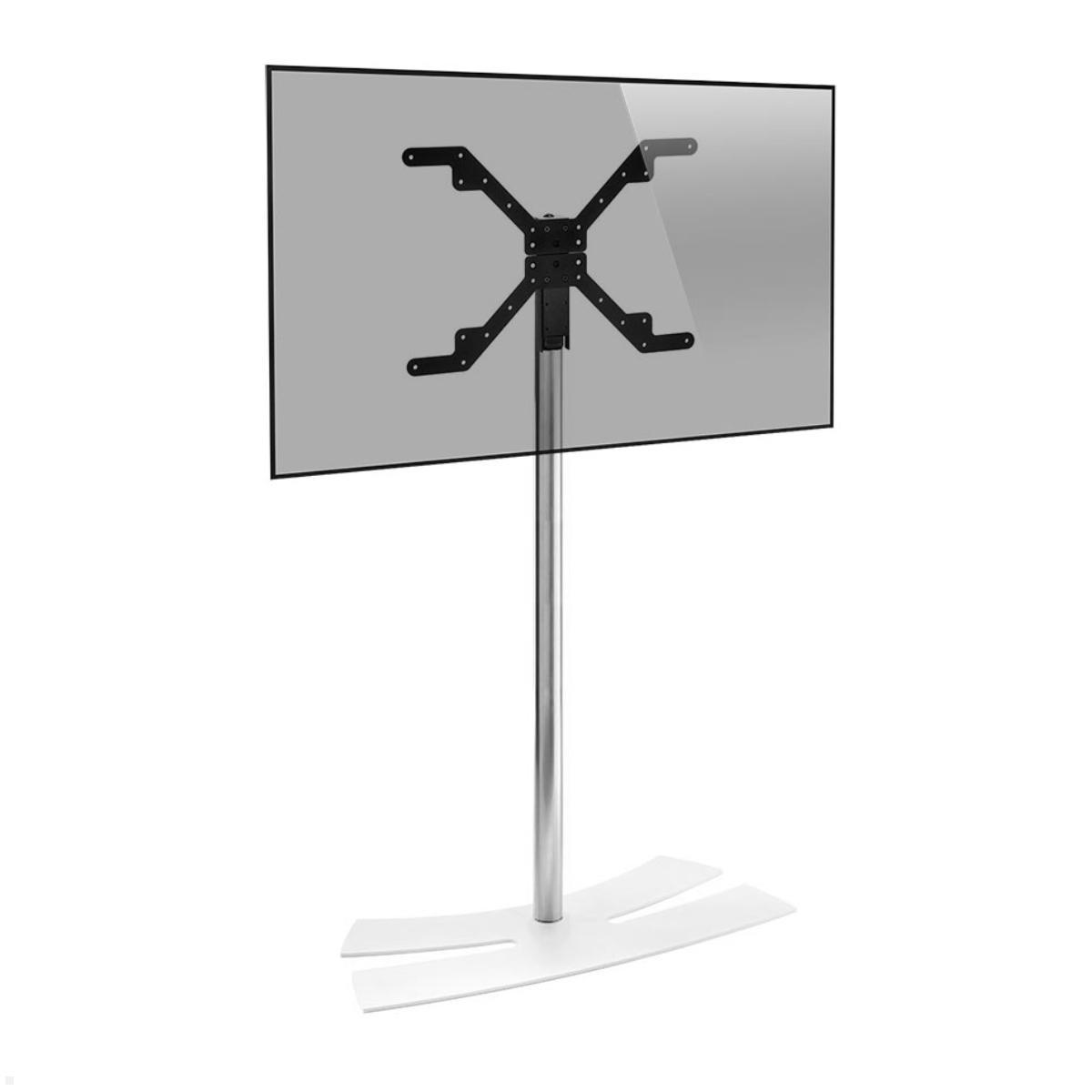
A TV stand is a freestanding mount on which a television is securely attached. Unlike a TV lowboard, the television does not rest on its own feet but is mounted using a VESA-standard bracket. This type of mounting ensures a stable hold while allowing flexible positioning of the screen.
Unlike a traditional wall mount, the television remains mobile and can be repositioned or moved to another location at any time. This makes TV stands particularly versatile. They are suitable for private living spaces as well as offices, conference rooms, or public facilities.
Modern TV stands are designed to safely support even large and heavy screens. High-quality models are made of robust steel or aluminum and feature a stable base plate or secure feet. Many versions offer additional features such as height adjustment, tilt functionality, or integrated cable management. This makes them not only practical but also visually clean and modern.
Why Are More and More People Choosing a TV Stand?
The trend toward TV stands is no coincidence. It is the result of changing living conditions, modern technology, and a growing desire for flexibility. Especially in rental apartments, many people prefer not to drill holes into walls or are not allowed to do so due to contractual regulations. Older buildings with fragile masonry or lightweight walls also often pose challenges for wall mounts.
A TV stand offers a simple alternative. It can be set up without any craftsmanship and repositioned at any time if needed. In professional environments, permanent wall mounting is often impractical, as rooms are used flexibly and requirements can change quickly.
Typical reasons for choosing a TV stand include:
- no permanent wall installation required
- flexible placement within the room
- easy adaptation to different usage scenarios
- effortless transport when moving
- modern, home-friendly appearance
The television can be realigned as needed – whether for a cozy movie night, a gaming session, a presentation, or a video conference.
TV Stands Compared to Wall Mounts
Wall mounts were long considered the most elegant space-saving solution for mounting televisions. While they certainly have their advantages, they also come with clear limitations. Once installed, a television usually remains in the same position permanently. Repositioning it later requires effort and often leaves visible drill holes or wall damage.
A TV stand, on the other hand, stands out for its adaptability. It requires no permanent installation and can easily be taken along when moving. Many models also allow flexible adjustment of the optimal viewing height, which is often only possible to a limited extent with fixed wall mounts.
For people who regularly change their interior layout or have multiple usage scenarios, a TV stand is a significantly more flexible and future-proof solution.
The Key Advantages of a TV Stand
A modern TV stand offers a wide range of benefits that make it attractive to many users. Key features include:
- flexible placement without wall mounting
- ergonomic adjustments such as height and tilt
- modern, minimalist design
- secure VESA-standard mounting
- easy assembly and disassembly
- versatile applications
These advantages explain why TV stands are now used in an increasing number of homes, offices, and public facilities.
Different Types of TV Stands
Not all TV stands are the same. Depending on the area of use, room size, and personal requirements, there are different designs that vary in features, appearance, and functionality.
- Classic floor TV stands are especially popular in residential settings. They stand securely on a base plate or multiple feet and support televisions of various sizes. Their design is usually simple and understated, allowing the television to remain the focal point while blending harmoniously into the living environment.
- Mobile TV stands with wheels are particularly in demand in professional environments. They allow the screen to be moved conveniently from room to room. Such solutions are indispensable in conference rooms, schools, universities, or at trade fairs. These models often include locking brakes to ensure a secure position.
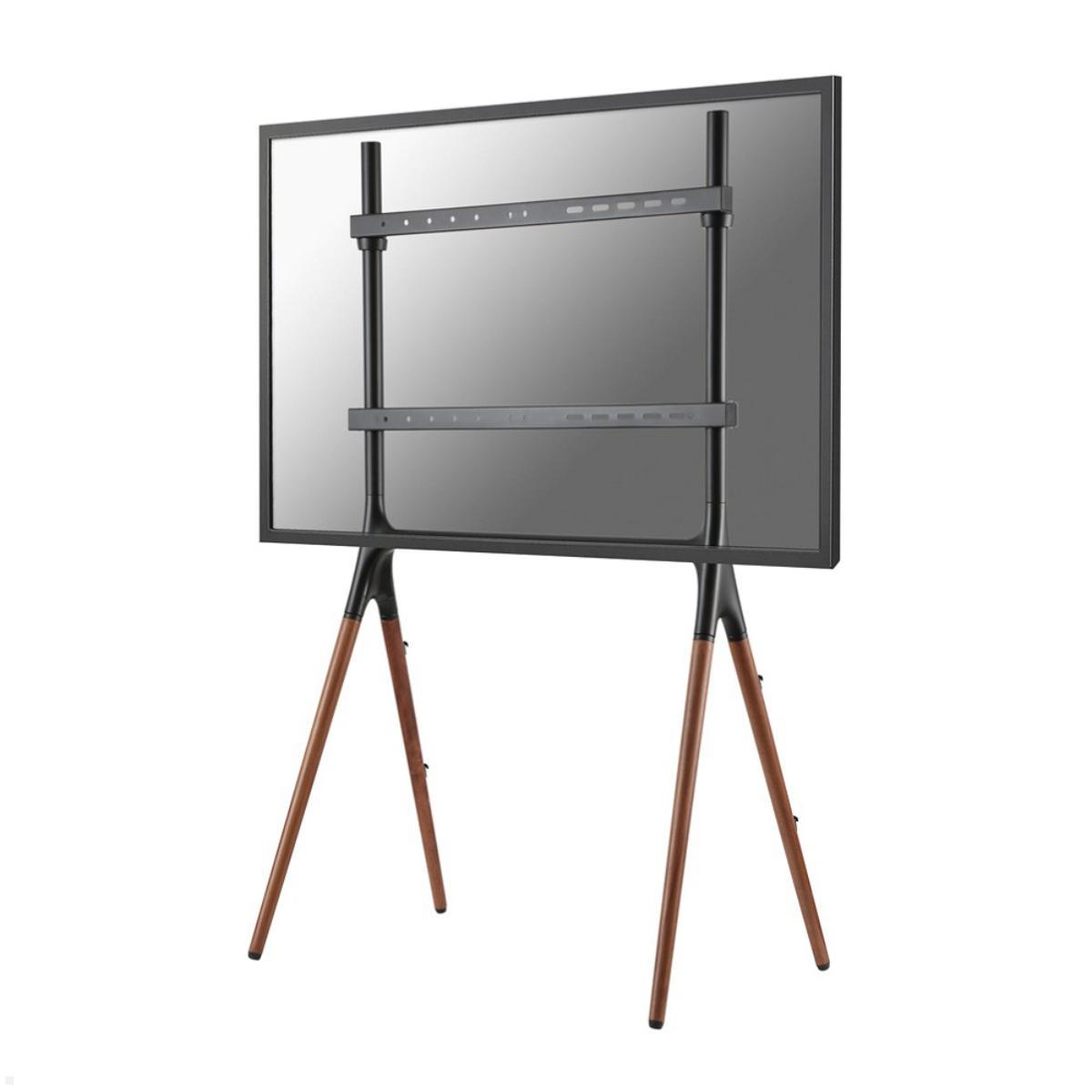
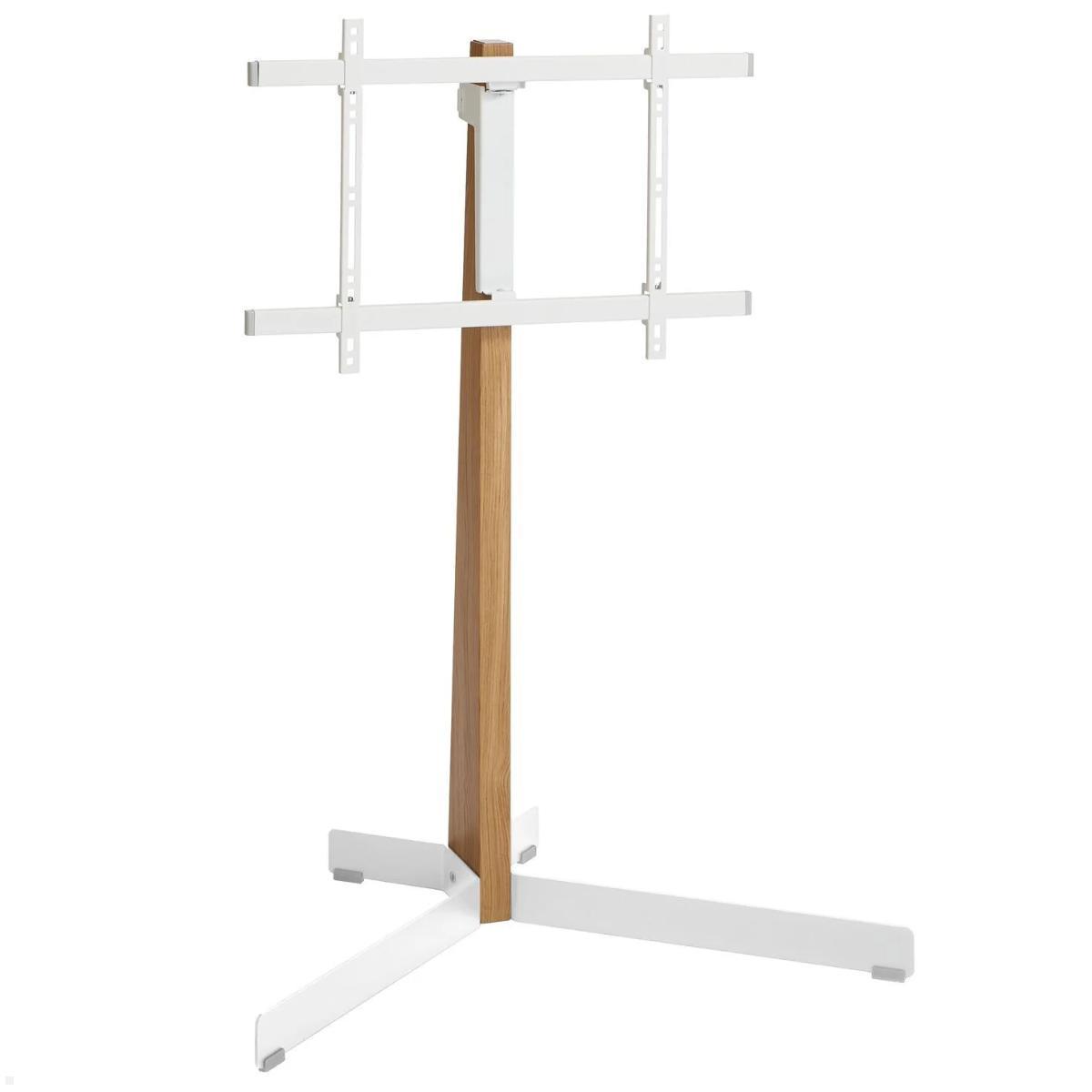
- Design-oriented TV stands are aimed at users who place a high value on aesthetics. Models made of wood, with delicate metal frames, or inspired by Scandinavian design resemble high-quality furniture rather than technical mounts. They are especially suitable for modern living concepts where technology is intentionally visible but stylishly integrated.
Which Screen Sizes Are Suitable for TV Stands?
Most high-quality TV stands are designed for a wide range of screen sizes. Common models support televisions from around 32 inches up to very large displays of 85 inches or more. What matters less is the screen size itself and more the combination of the VESA standard and the weight of the television.
The VESA standard defines the hole spacing on the back of the television. A compatible TV stand must support this standard to ensure secure mounting. Equally important is the maximum load capacity specified by the manufacturer. Only when these values match is safe and stable operation guaranteed.
Height Adjustment and Ergonomics
One major advantage of modern TV stands is the ability to adjust the screen height individually. This not only increases comfort but also ensures ergonomic use. An incorrect screen height can lead to tension, neck pain, and back problems over time.
With a height-adjustable mount, the television can be precisely adapted to the respective sitting or standing position. This is a significant advantage both in the living room and in the office. Especially during longer usage periods, such as presentations or gaming sessions, ergonomic alignment makes a noticeable difference.
Cable Management for a Clean Overall Look
Loose cables quickly create a cluttered appearance and disrupt the overall look of a room. High-quality TV stands therefore feature integrated cable channels, clips, or guiding systems that allow power and signal cables to be neatly concealed.
Good cable management offers several advantages:
- clean and modern appearance
- reduced tripping hazard
- protection of cables from damage
- easier floor cleaning
Especially in offices, conference rooms, or public spaces, well-designed cable management is a crucial factor.
Areas of Application for TV Stands
Today, TV stands are used in a wide variety of environments. In living rooms, they replace traditional TV furniture and enable flexible room design. In open-plan living spaces, the television can even serve as a room divider, separating different zones.
In offices and home offices, TV stands are an ideal solution for presentations, meetings, or hybrid working models. The screen can be optimally aligned and quickly repositioned or stored when needed.
TV stands also play an important role in education, hotels, trade fairs, and events. They enable quick setup and dismantling and can be flexibly adapted to changing requirements.
What Should You Consider When Buying a TV Stand?
When purchasing a TV stand, several factors should be taken into account. In addition to compatibility with the television, stability, material quality, and workmanship are essential. A secure stand is especially important for large and heavy displays.
Other important purchase criteria include:
- supported screen sizes and VESA standards
- maximum load capacity
- height adjustment and tilt function
- type of use (stationary or mobile)
- design and materials
A TV stand should not only be functional but also visually match the existing interior.
TV Stands at monitor-mounts.shop
At monitor-mounts.shop, you will find a wide selection of TV stands for private and professional use. The range includes simple floor stands for living rooms as well as mobile solutions for conference rooms, training rooms, or events. All products are designed with stability, functionality, and durability in mind.
Thanks to clear product descriptions, technical specifications, and precise information on VESA standards and load capacities, you can quickly find the TV stand that perfectly matches your television and intended use.
The TV Stand as a Modern Solution
A TV stand is a well-thought-out, flexible, and contemporary solution for positioning modern televisions. It combines mobility, ergonomics, and design, offering clear advantages over traditional wall mounts or TV furniture. Especially at a time when spaces are used in versatile ways and requirements change rapidly, a TV stand is a smart investment in comfort, flexibility, and future-proof living and working environments.
Related products