


Monitor and TV mounts for vehicles and motorhomes

18 products





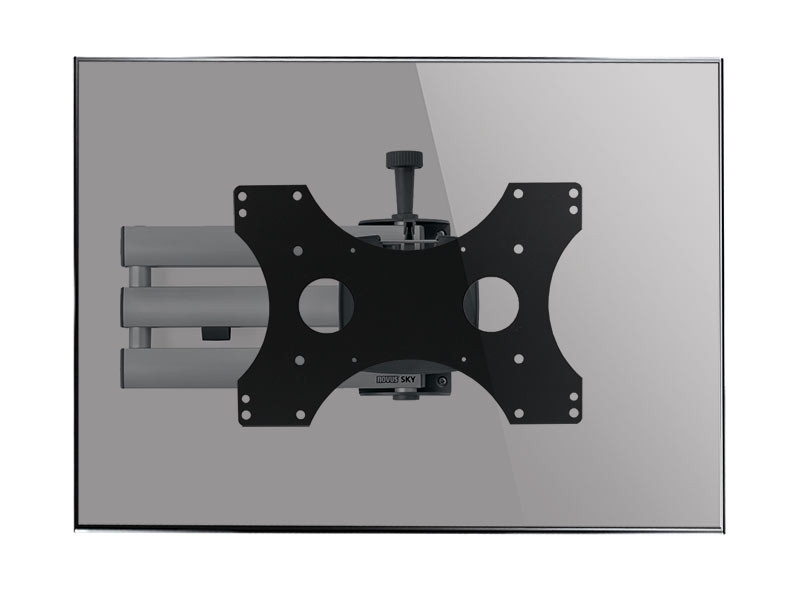
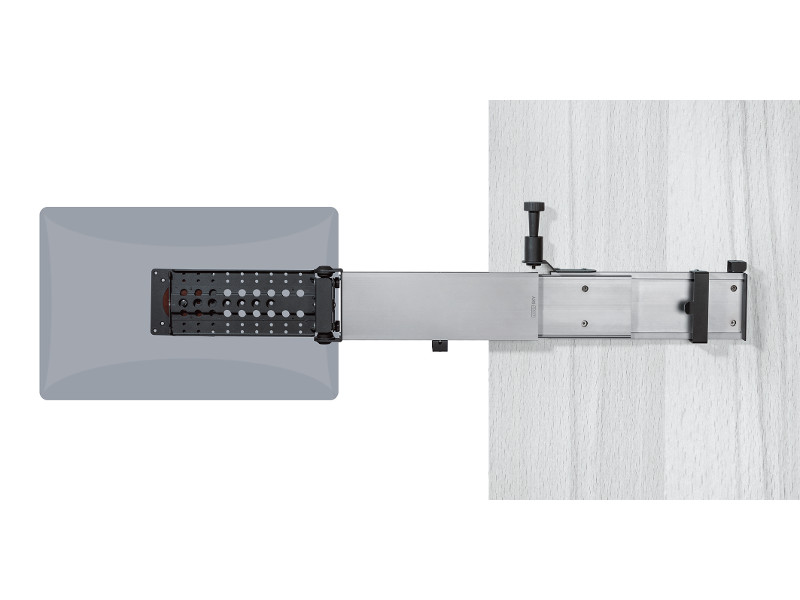

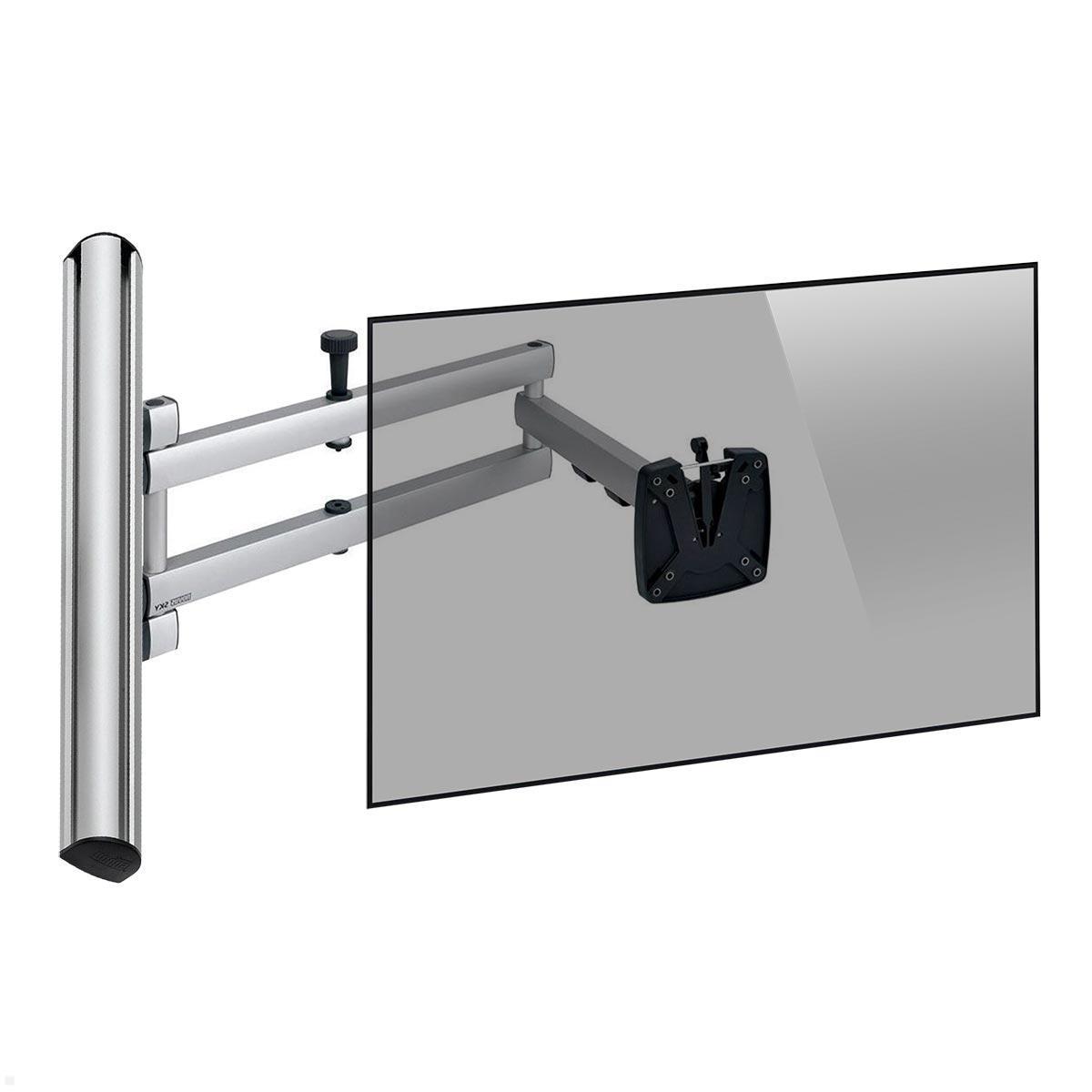
What functions do monitor mounts perform in vehicles?
Monitors, touch displays, televisions and industrial control terminals are important components of modern vehicle and machinery concepts. They enable the display of operating data, the control of work processes, access to digital information and entertainment on the move. A suitable monitor mount for vehicles allows these devices to be integrated into private, commercial and industrial vehicle environments.
Unlike conventional monitor mounts for office workstations, vehicle mounts often have to meet specific mechanical and spatial requirements. Limited mounting surfaces, shocks and changing operating conditions influence the selection of a suitable mounting solution.
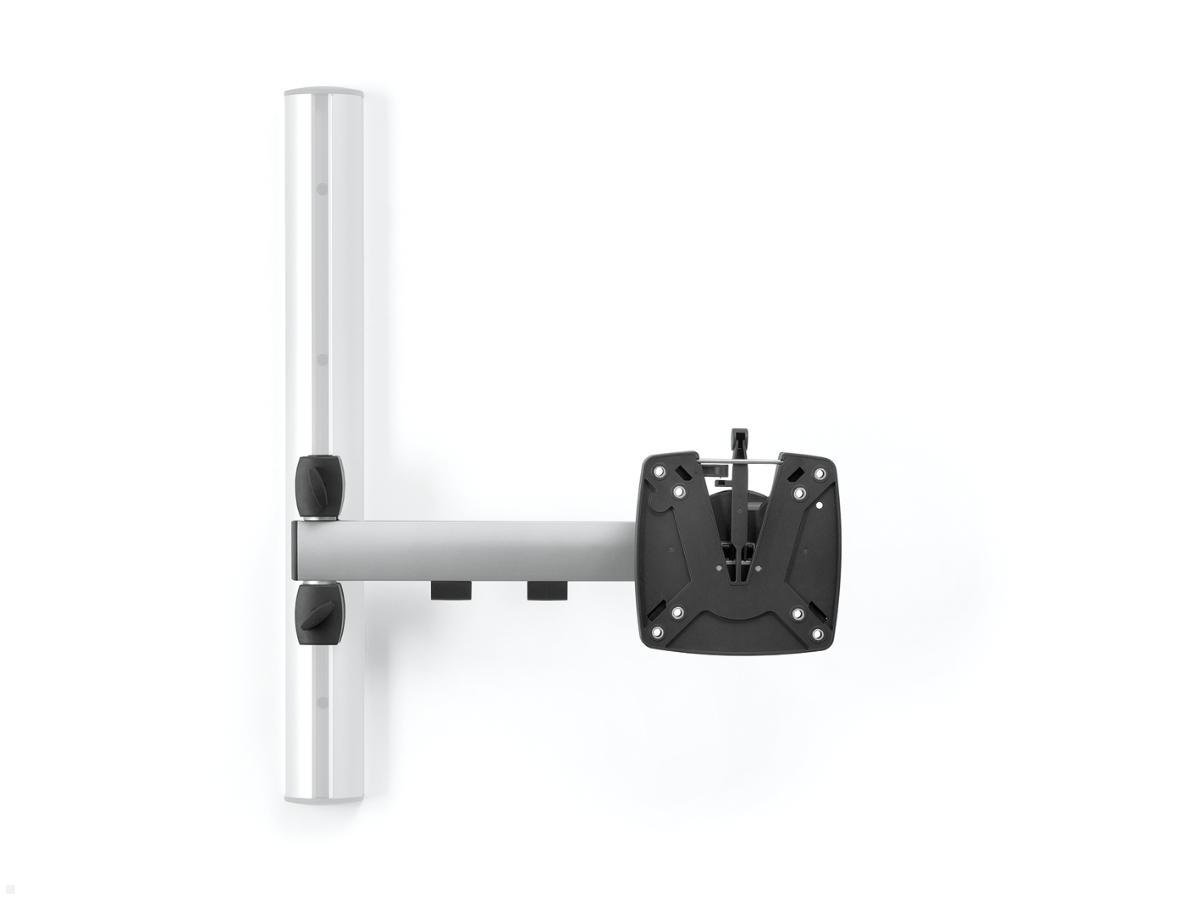
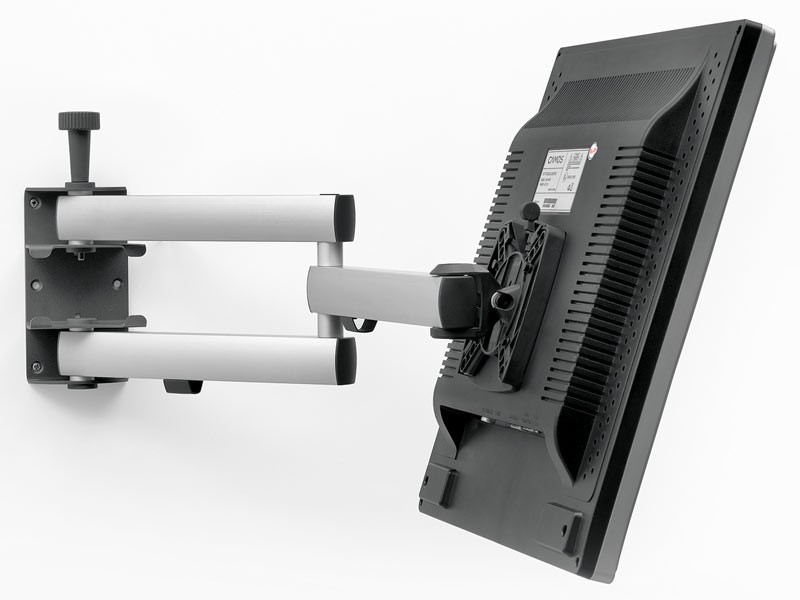
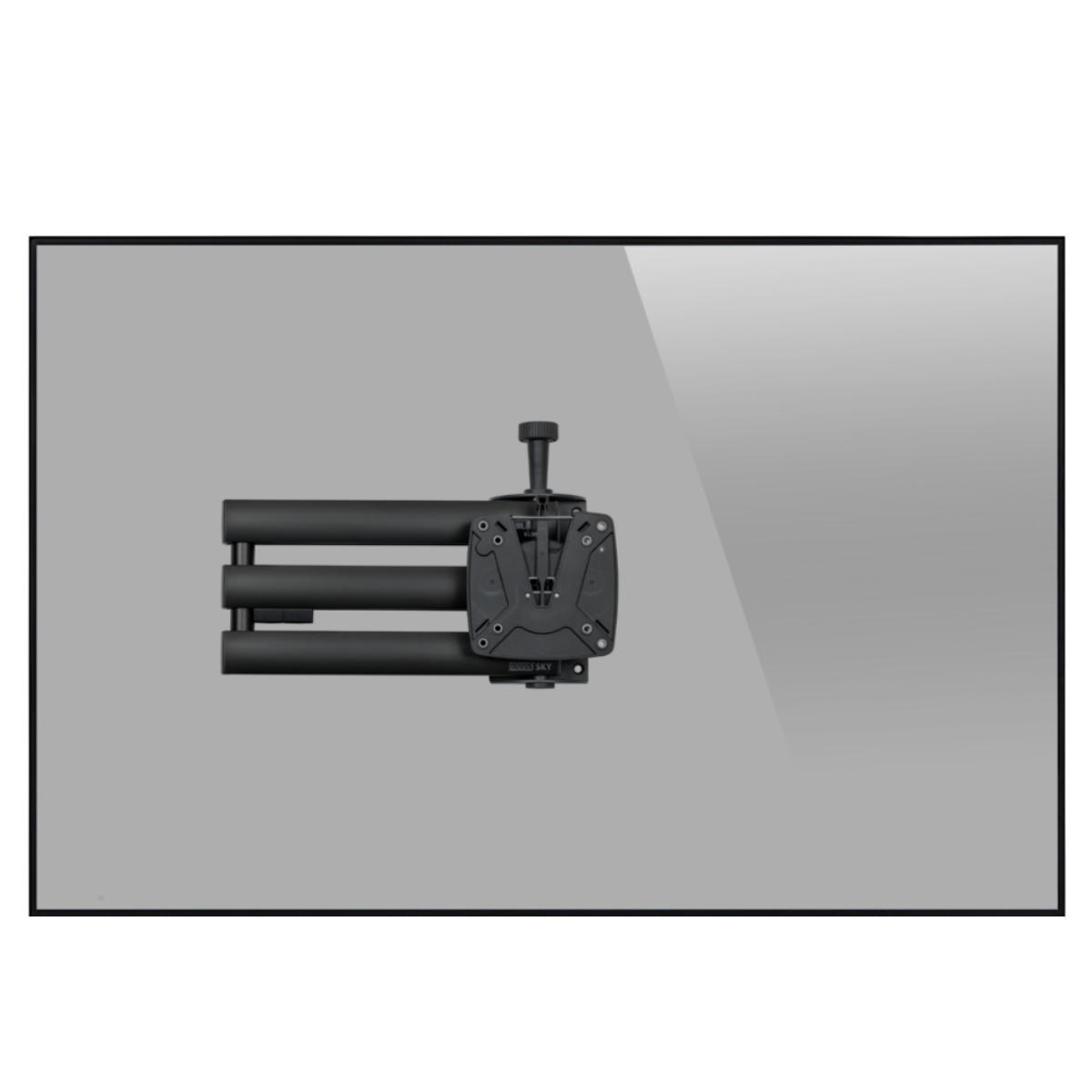
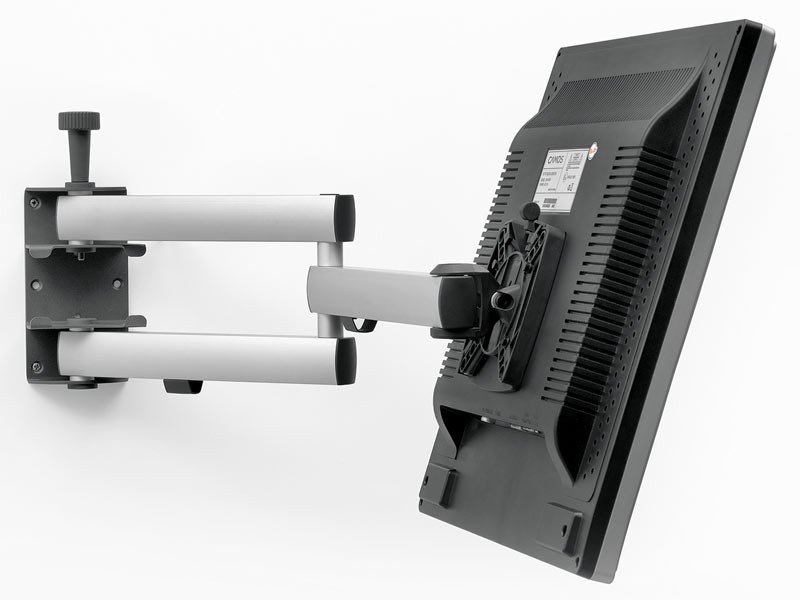
Robust monitor arms, compact ball joint mounts and modular mounting systems enable individual screen positioning in motorhomes, caravans, commercial vehicles, special-purpose vehicles and mobile machinery.
What are the advantages of monitor and TV mounts in motorhomes and caravans?
Space-saving interior design plays an important role in motorhomes, caravans and campervans. A suitable monitor or TV mount for motorhomes enables flexible screen integration without taking up valuable storage or work surfaces.
Swivel and tilt mounts allow the monitor or television to be adjusted to different seating and reclining positions. Depending on the design, the screen can be folded back against the wall or a suitable furniture structure when not in use to save space.
In addition to conventional entertainment applications, monitor mounts in caravans are also suitable for setting up mobile workstations. Compact monitor arms and flexible articulated mounts support the individual design of working and leisure areas in campervans.
Motorhome TV mounts specifically designed for mobile applications may feature additional locking or securing mechanisms intended to prevent the screen from swinging out unintentionally while driving.
Where are monitor mounts used in commercial vehicles?
Permanently installed displays perform numerous tasks, particularly in industry, logistics and agriculture. Industrial monitors can provide information on goods movement, machine control or vehicle monitoring, for example.
Typical commercial and industrial applications include:
- Forklifts and industrial trucks
- Agricultural machinery and tractors
- Construction machinery and excavators
- Trucks and commercial vehicles
- Emergency and special-purpose vehicles
- Mobile workshops and service vehicles
In forklifts, for example, monitors support digital warehouse management and order picking. In agricultural machinery, displays can be used to monitor and control agricultural processes. Camera monitors and industrial touchscreens can also be integrated into vehicle environments using suitable mounts.
Screw-down bases, pipe clamps and clamp mounts provide various mounting options. Modular ball joint systems, such as those offered by RAM Mounts, can be individually configured using a mounting base, connecting arm and monitor adapter.
What should be considered when choosing a monitor mount for vehicles?
When selecting a suitable vehicle monitor mount, the weight, dimensions and mounting interface of the display must be checked. Many monitors and compact televisions feature a standardised VESA mounting interface, such as VESA 75 × 75 or 100 × 100 mm.
In addition to its static load capacity, the mount must be suitable for the expected dynamic loads within the vehicle. The required reach, adjustment options and available mounting surfaces also influence the selection.
When installing a TV wall mount in a caravan or motorhome, particular attention must be paid to the load-bearing capacity of the wall or furniture structure. The screen and mount must be secured for travel in accordance with the respective manufacturer's instructions.
Whether a swivel monitor mount for a campervan, a space-saving TV mount for a caravan or a robust industrial monitor mount for commercial vehicles, the combination of suitable mounting components, sufficient load capacity and appropriate adjustment options forms the foundation for functional screen integration.