


Connecting arms, ball joints & articulated arms

18 products






What is the function of connecting arms in vehicle mounting systems?
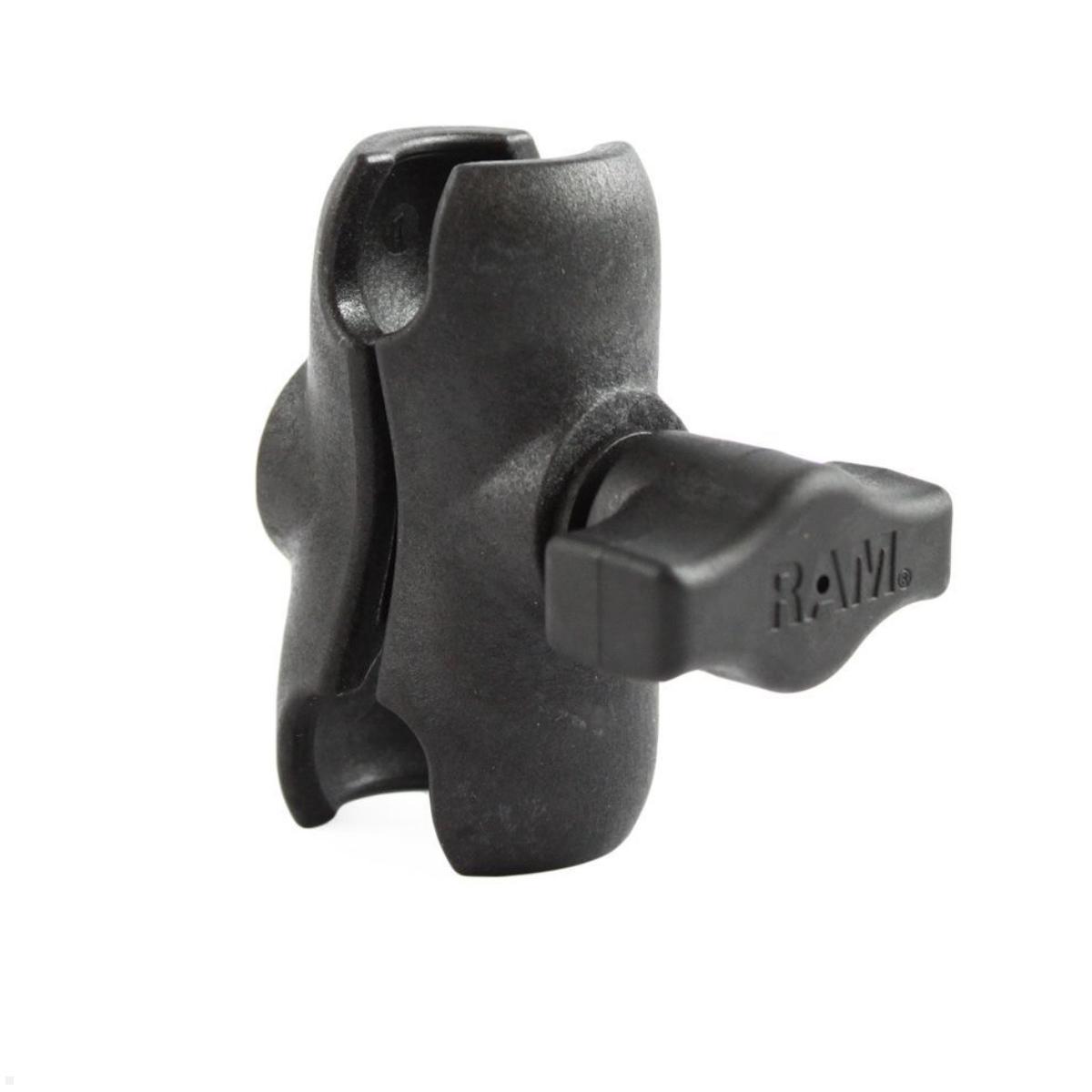
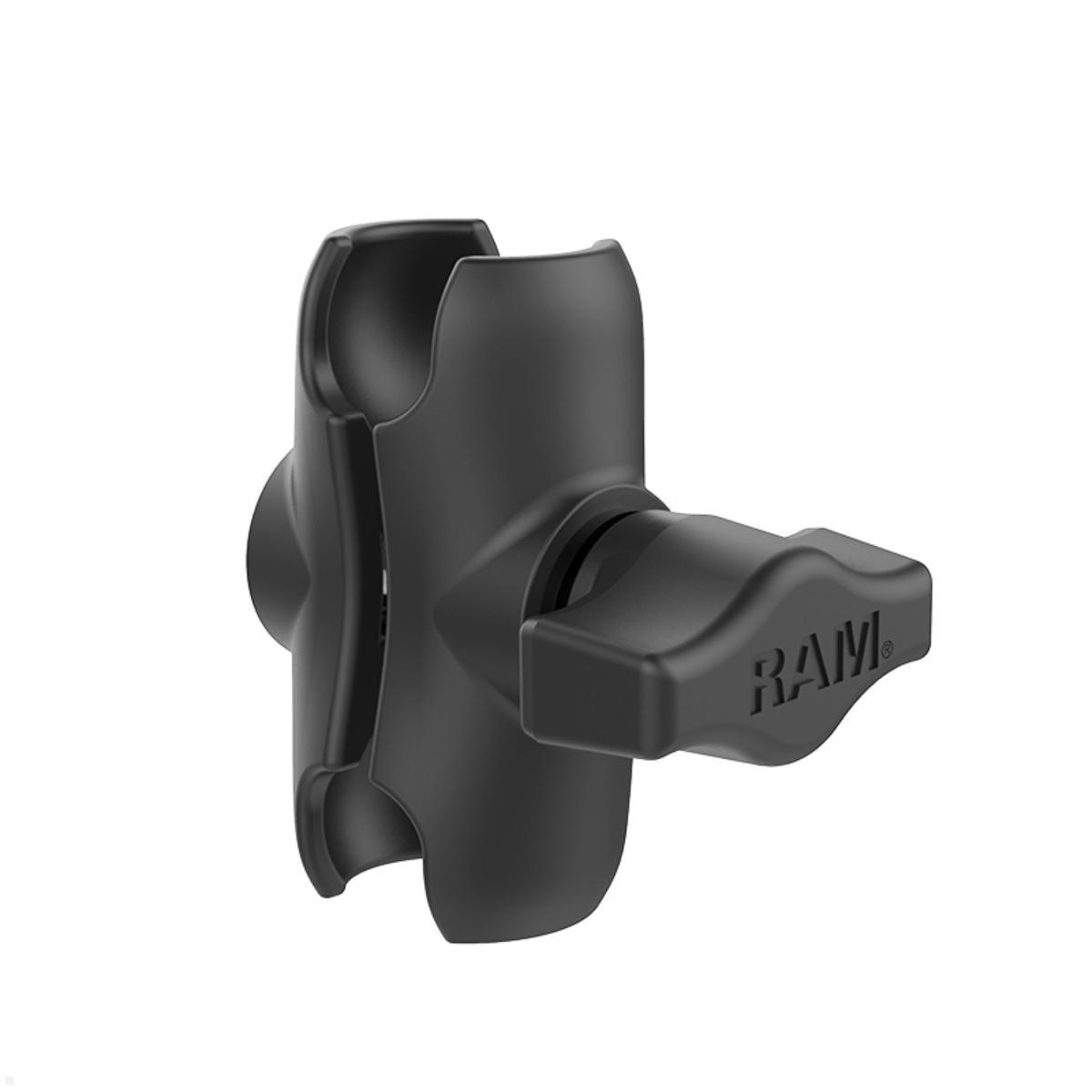
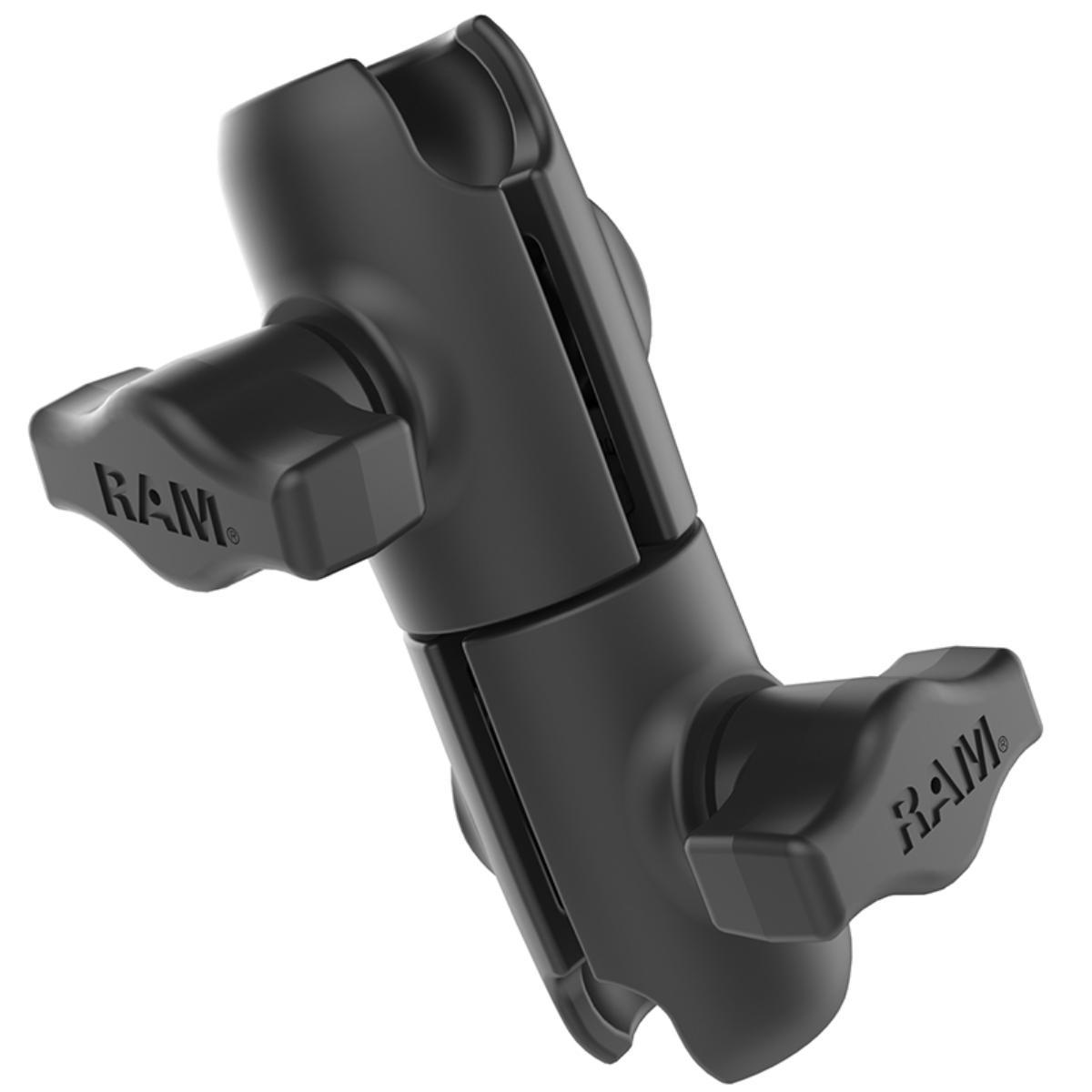
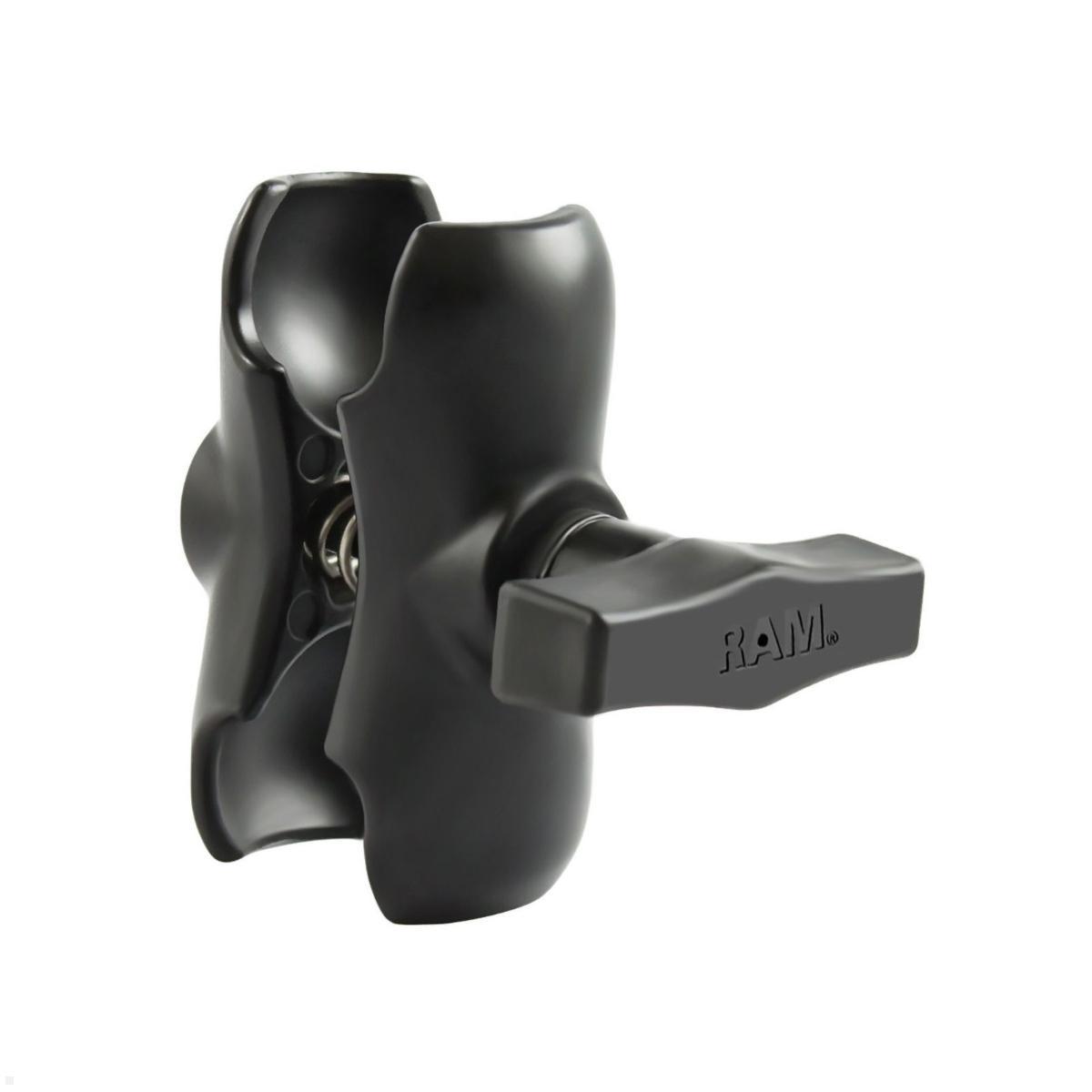
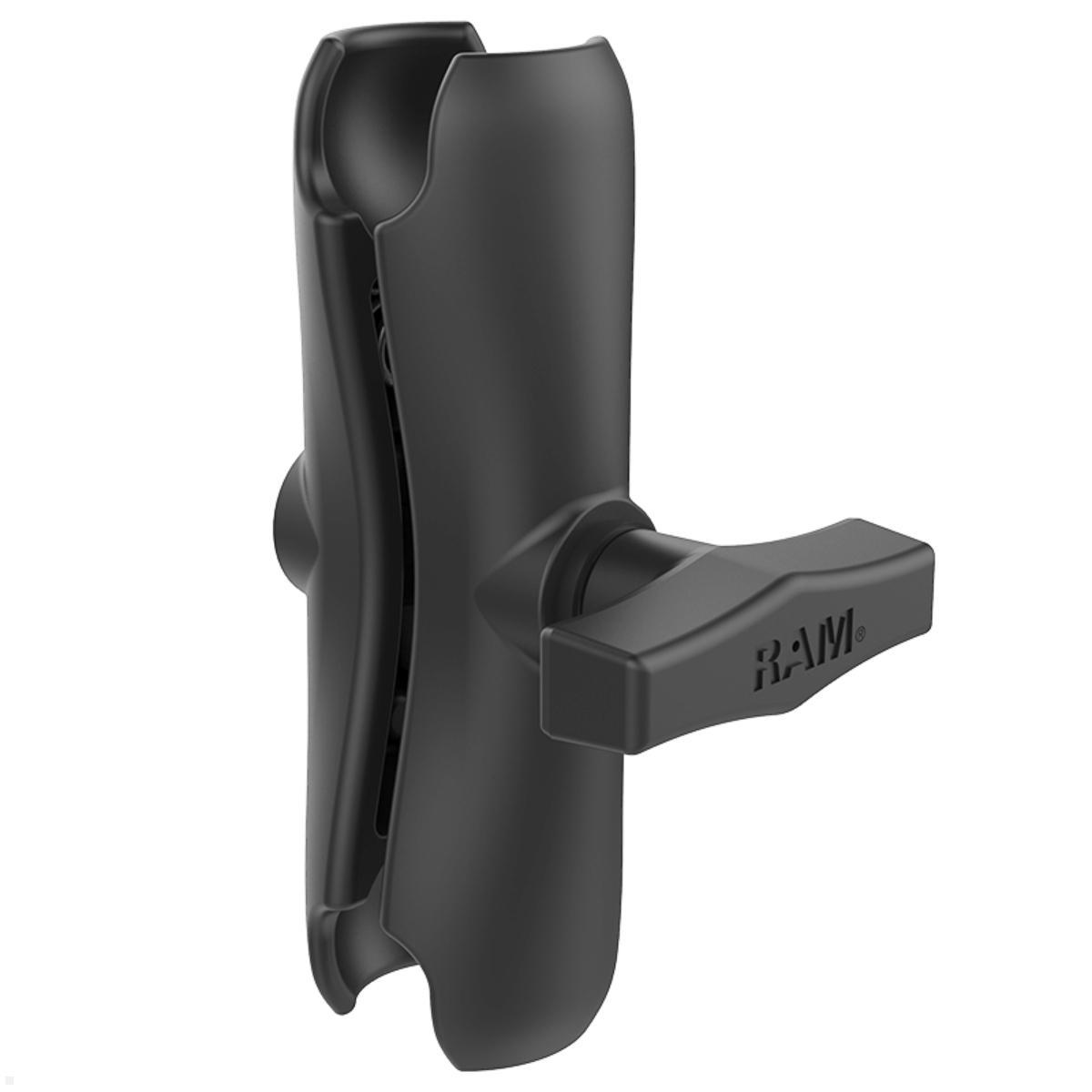
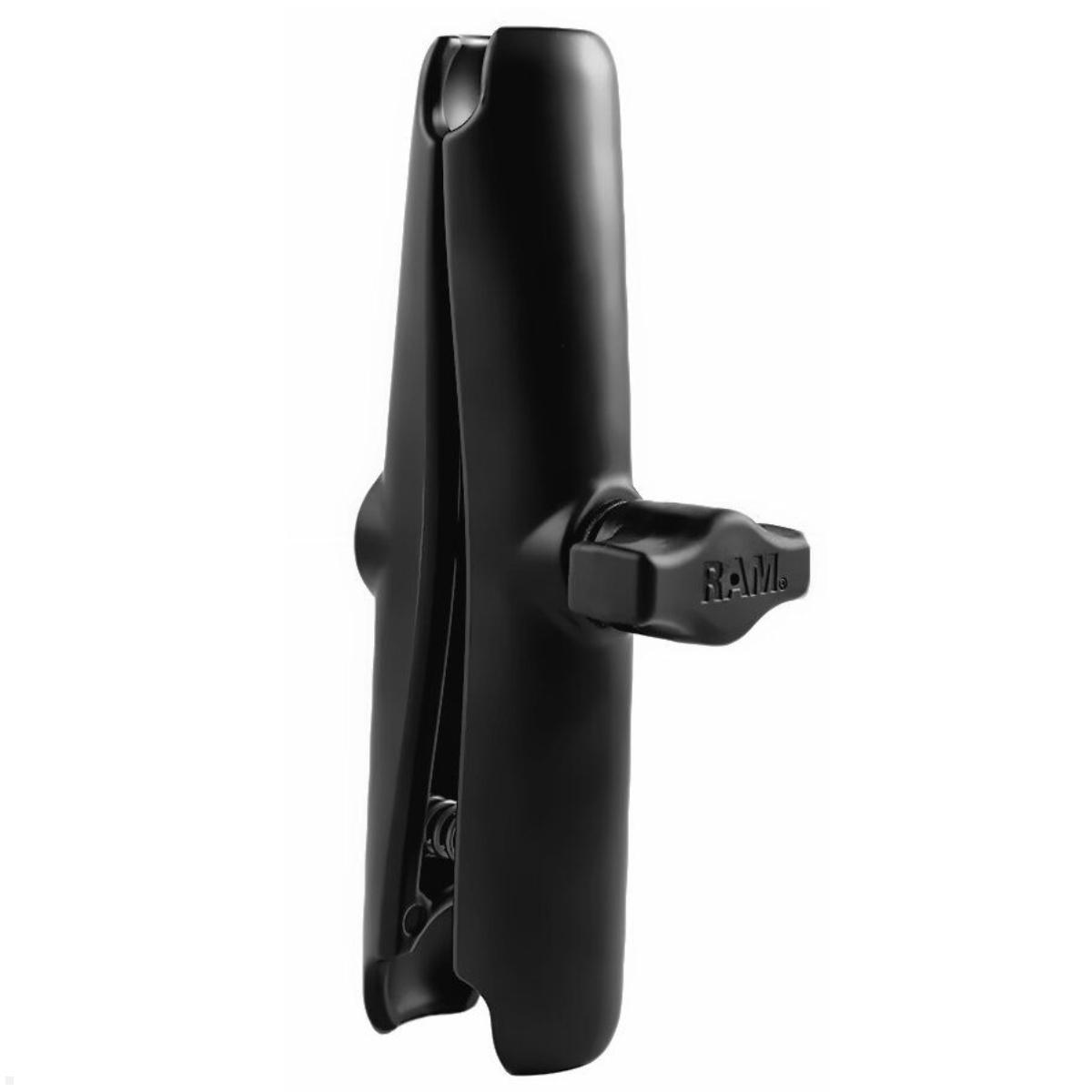
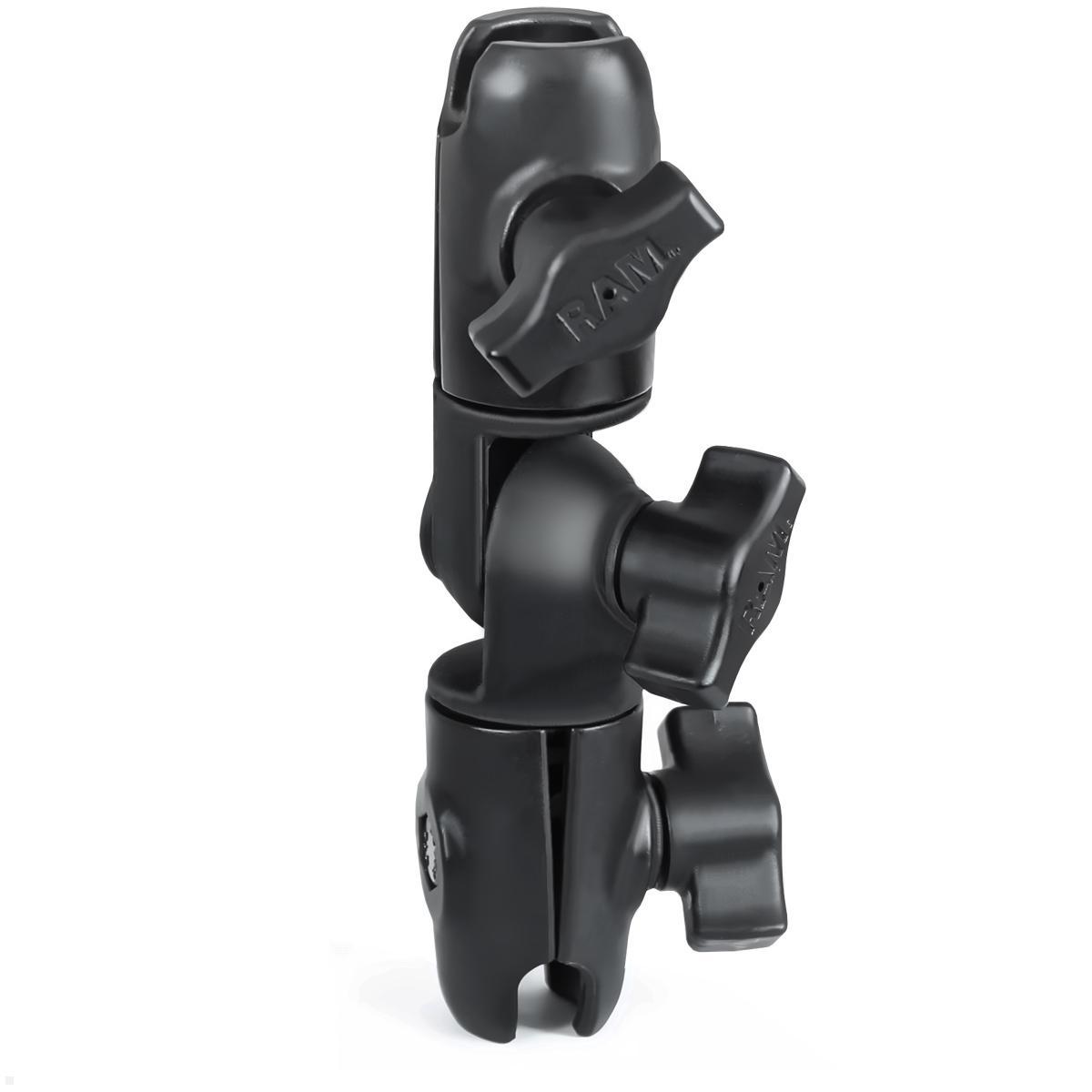
Connecting arms and joints form the link between the mounting base and the device holder of a modular mounting system. They largely determine the distance, reach and orientation of the mounted device. A suitable connecting arm for vehicle mounts allows smartphones, tablets, monitors and other electronic devices to be positioned according to the available space.
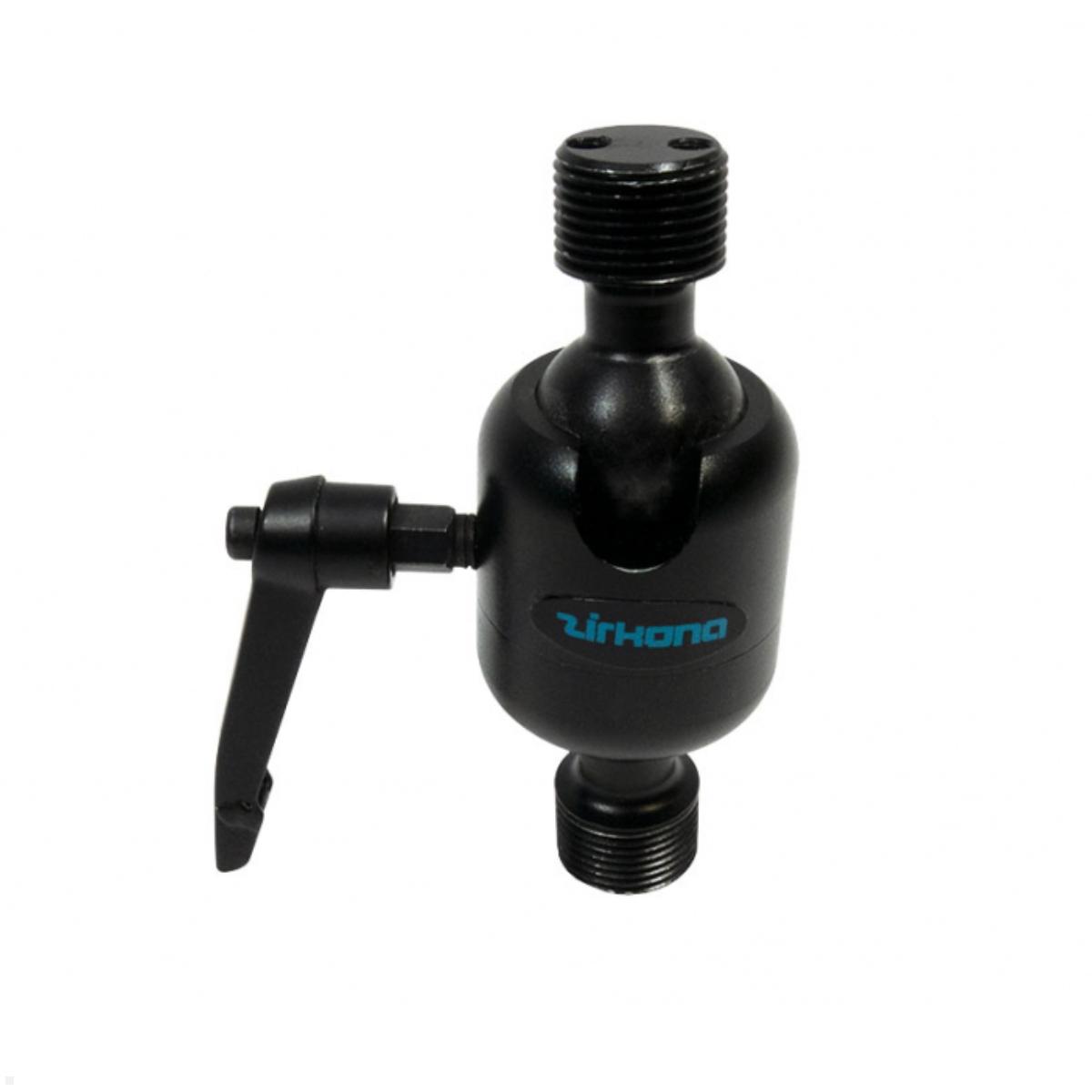
Particularly in vehicles with limited mounting surfaces, flexible articulated arms offer additional options for individual device integration. Different arm lengths and joint designs allow adaptation to cars, trucks, vans, forklifts, agricultural machinery and special-purpose vehicles. In addition to standard connecting arms, extensions, multiple-joint assemblies and other connecting elements are available for modular mounting systems.
What types of connecting arms and joint systems are available?
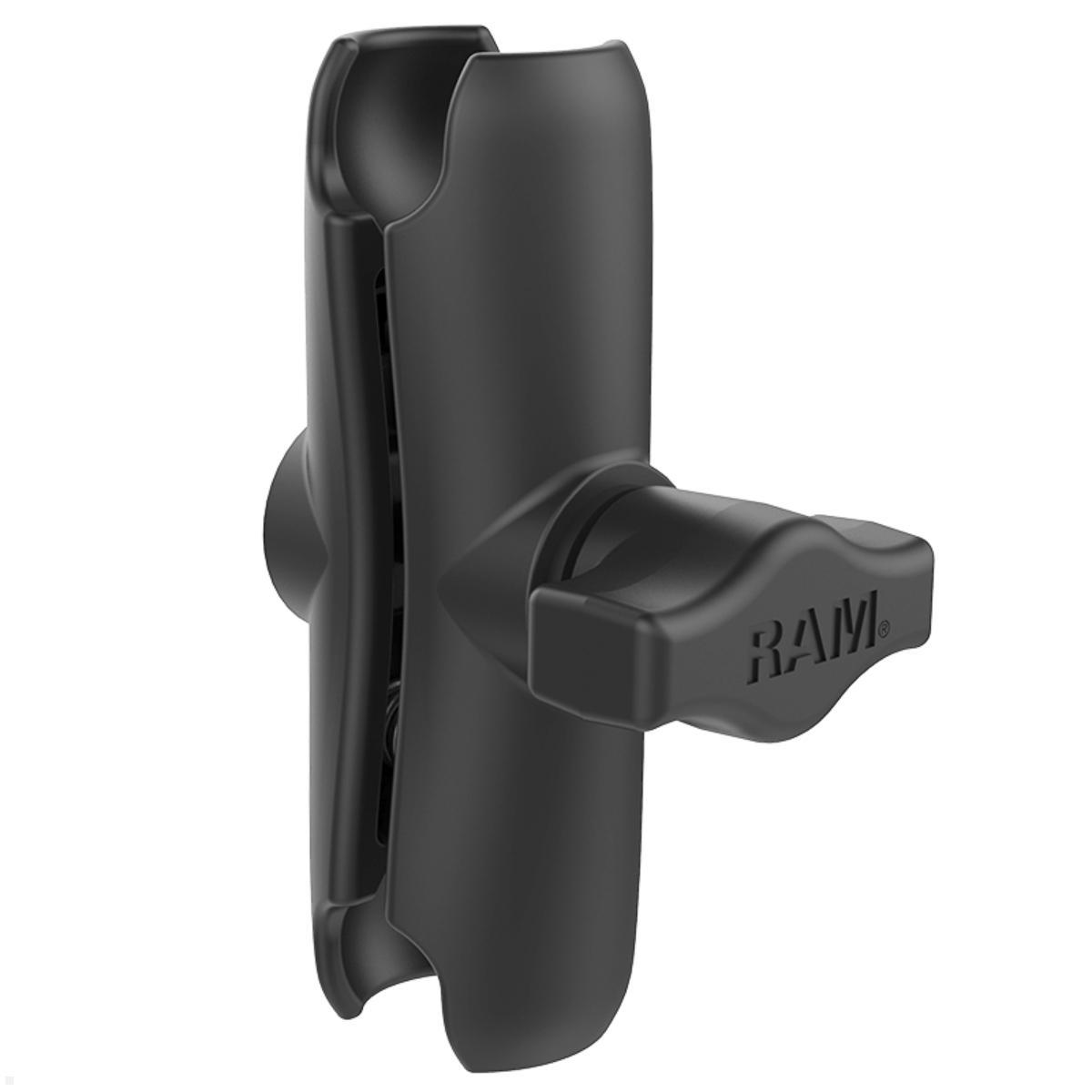
Modular vehicle mounts use different connection technologies. Ball joint systems, in which a connecting arm links two compatible ball heads, are particularly common. Double ball joint arms or double socket arms allow flexible adjustment at both ends of the connecting arm. Depending on the design, the position is secured using a clamping mechanism.
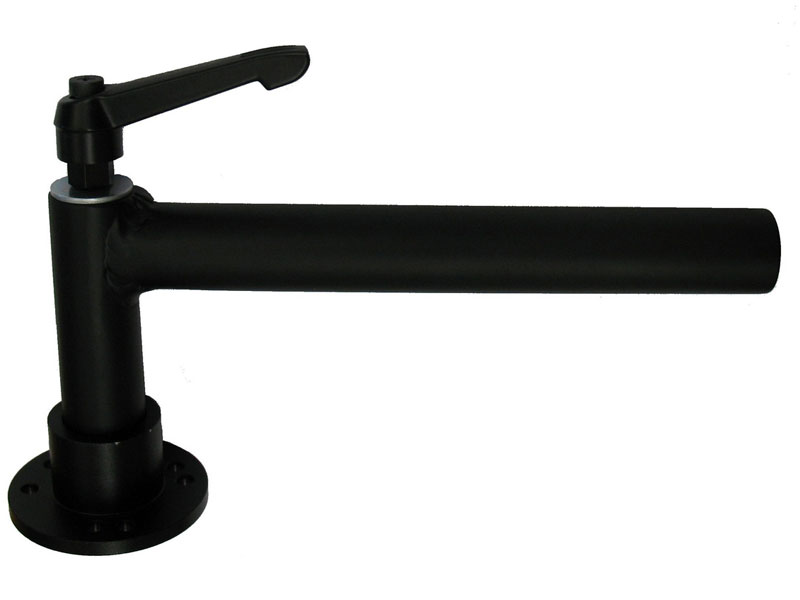
Short connecting arms are particularly suitable for compact mounting solutions and short mounting distances. Medium-length and long articulated arms provide additional reach and allow the device to be positioned further away from the mounting base. Extension arms, swivel joints and connecting elements are also available for more complex mounting configurations. Manufacturers such as RAM Mounts offer connecting arms in different lengths, materials and ball sizes. This allows modular systems to be adapted to various devices and application requirements.
What are the advantages of adjustable articulated arms in vehicles?
Adjustable articulated arms allow individual adjustment of the device position. Depending on the system, the tilt, rotation and orientation can be modified. This is particularly beneficial in vehicles used by different people or subject to changing working requirements. Tablets and monitors, for example, can be adjusted to different viewing positions.
In service vehicles, a suitable articulated arm can help bring mobile devices closer to the workstation when required. In forklifts and industrial vehicles, compact joint systems enable the integration of displays where space is limited. Within compatible modular systems, connecting arms can be replaced as required without having to exchange all mounting components.
How do you select the right connecting arm?
The selection depends on the required reach, the device weight and compatibility with the mounting base and device holder. In ball joint systems, particular attention must be paid to the ball size. The arm length also influences the mechanical loads acting on the mounting system. Greater distances from the mounting base can result in increased leverage forces. Therefore, it is not only the maximum load capacity of the individual connecting arm that matters, but also the suitability of the entire mounting configuration.
In vehicle applications, dynamic loads caused by movement and shocks must also be taken into account. A suitable articulated arm for modular vehicle mounts combines the required flexibility with a design tailored to the respective area of application. By combining compatible components, individual mounting solutions can be created for a wide range of mobile applications.